
Understanding Kidney Diseases: An Overview
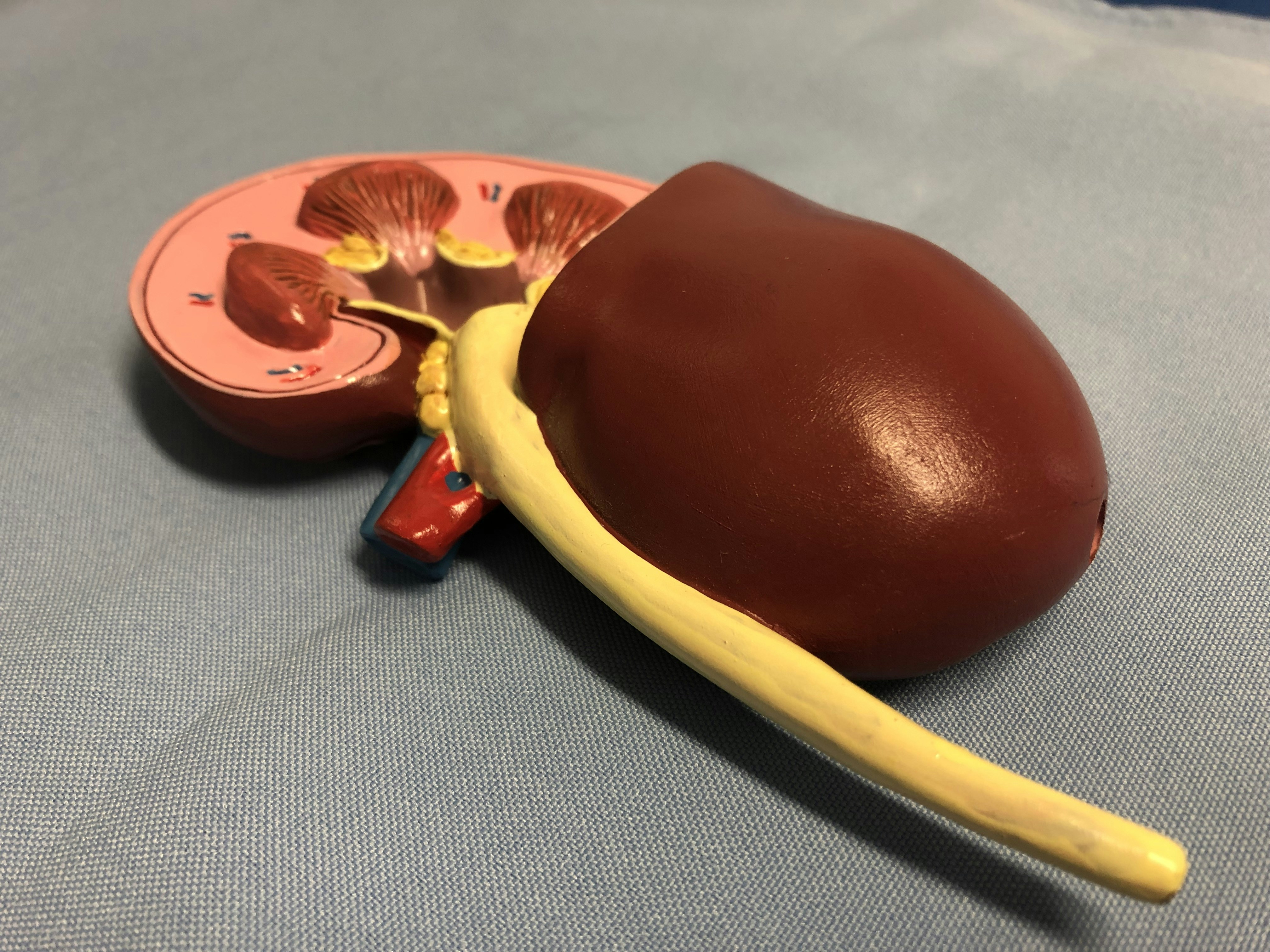
The kidneys play a critical role in maintaining overall health, functioning as vital organs responsible for filtering waste and excess fluids from the bloodstream. Each kidney contains approximately one million nephrons, which are essential for the processes of filtration, secretion, and reabsorption. As blood passes through the kidneys, waste products are removed, and important substances, such as electrolytes and fluid balance, are regulated. When these organs are impaired, it can lead to significant health issues, most notably chronic kidney failure and uremia.
Kidney diseases are increasingly prevalent globally, with statistics indicating that millions of people are affected by varying degrees of dysfunction. Chronic kidney failure, also known as chronic kidney disease (CKD), is a progressive condition characterized by the gradual loss of kidney function over months or years. The leading causes of CKD include diabetes, hypertension, and glomerulonephritis, among other factors. If left untreated, this condition may advance to end-stage kidney disease, necessitating dialysis or transplantation.
Uremia arises when the kidneys can no longer properly filter waste from the blood, leading to a toxic buildup of urea and other waste products. This condition is typically observed in individuals with severe kidney dysfunction and can manifest with numerous complications, negatively impacting a patient’s well-being and overall quality of life. Symptoms of uremia may include fatigue, confusion, nausea, and swelling in various body parts, significantly affecting daily activities.
Ultimately, understanding kidney diseases, particularly chronic kidney failure and uremia, is crucial in recognizing their implications on health. Effective management strategies and timely intervention are essential to mitigate the progression of these conditions, thereby improving the quality of life for those affected.
Stem Cell Therapy: How It Works
Stem cell therapy presents a promising avenue for treating kidney diseases, particularly chronic kidney failure and uremia. At the core of this innovative approach lies the ability of stem cells to regenerate damaged tissues, a characteristic that is increasingly harnessed in renal medicine. The primary types of stem cells utilized in these therapies are mesenchymal stem cells (MSCs) and induced pluripotent stem cells (iPSCs). MSCs, typically derived from bone marrow or adipose tissue, are known for their capacity to differentiate into various cell types, including renal cells. In contrast, iPSCs are generated from adult somatic cells that have been reprogrammed to an embryonic-like state, enabling them to differentiate into any cell type, including kidney cells.
The mechanism through which stem cell therapy operates involves multiple pathways. First, stem cells can migrate to areas of injury in the kidneys. Once they reach the damaged tissues, they can secrete various trophic factors, which not only promote cell survival but also induce regeneration. These factors help modulate the immune response, reducing inflammation and fostering a regenerative environment. By facilitating cellular repair processes and replacing lost or damaged renal cells, stem cells enhance the overall function of the kidneys, leading to improved clinical outcomes for patients with chronic kidney failure.
Current research is increasingly unveiling the potential of stem cell therapy in nephrology. Clinical trials have demonstrated the safety and feasibility of stem cell transplants for patients with advanced kidney diseases. Moreover, initial results indicate a possible reduction in markers of renal damage and improvements in kidney function, which are critical for managing conditions such as uremia. Ongoing studies aim to elucidate the optimal protocols for stem cell administration and to assess long-term outcomes. Collectively, these advancements indicate a hopeful future for stem cell therapy as an effective treatment modality for kidney diseases.
Benefits and Risks of Stem Cell Therapy for Kidney Diseases
Stem cell therapy has emerged as a promising treatment avenue for patients grappling with chronic kidney diseases, including chronic kidney failure and uremia. One of the primary benefits of this innovative approach is the potential for improved kidney function. By utilizing the regenerative capabilities of stem cells, it is posited that damaged renal tissues could be repaired or replaced, ultimately leading to enhanced organ performance. This improvement can result in a decreased reliance on dialysis, thus allowing patients a better quality of life. Many individuals with advanced kidney conditions often find their daily activities significantly hampered by ongoing treatment regimens; therefore, relief from such dependence can be life-changing.
Additionally, stem cell therapy may offer the chance for complete recovery in some cases, marking a significant advancement in the management of kidney diseases. Patients may experience fewer complications when their natural kidney functions are restored, potentially decreasing hospital visits and enhancing overall mental health. Living without the burden of long-term dialysis can lead to greater mobility, independence, and an improved sense of well-being.
However, it is essential to acknowledge that stem cell therapy is not without risks and ethical dilemmas. Although it holds great promise, there are concerns about the possibility of tumor formation due to uncontrolled cell division, which necessitates rigorous monitoring and follow-up. Furthermore, patients may experience adverse side effects that can vary in severity. Ethical considerations regarding the sourcing of stem cells also remain a topic of discussion within the medical community, alongside the imperative for ongoing research to establish the long-term safety and efficacy of these treatments. Therefore, while stem cell therapy represents a groundbreaking progression in nephrology, patients and medical professionals must navigate both benefits and risks carefully.
Future Perspectives: The Role of Stem Cell Therapy in Nephrology
As the field of nephrology evolves, stem cell therapy is emerging as a promising and innovative approach to treat kidney diseases, particularly chronic kidney failure and uremia. Ongoing research initiatives are exploring the therapeutic potential of stem cells, aiming to regenerate damaged kidney tissue, improve renal function, and provide alternative options for patients suffering from these debilitating conditions. Notably, advancements in cellular reprogramming and tissue engineering are paving the way for progress in this domain.
The integration of stem cell therapy into mainstream clinical practice remains on the horizon, despite the promising laboratory findings. Clinical trials are essential to establish safety, efficacy, and optimal treatment protocols for various renal ailments. Collaboration between researchers, clinicians, and regulatory bodies will facilitate the transition from experimental therapies to widely accepted treatment modalities. Ensuring proper oversight and ethical considerations will be paramount as these therapies advance.
Despite the exciting prospects, several challenges must be addressed to fully integrate stem cell therapy in nephrology. These include technical hurdles such as sourcing and manufacturing high-quality stem cells, standardization of treatment protocols, and achieving wide access to these therapies for patients. Furthermore, a significant factor contributing to the success of stem cell therapies is the understanding and acceptance by healthcare professionals and patients alike.
Multidisciplinary approaches in kidney disease management are vital in this context, as they enhance the development and application of novel therapies. Specialists from nephrology, regenerative medicine, and patient education play crucial roles in helping patients understand their treatment options. This collaborative effort can promote informed decision-making, allowing individuals to participate actively in their care plans while considering novel therapies such as stem cell interventions.